June 10th, 2014

In dentistry, there are a wide variety of treatments, everything from elective procedures to those that are necessary and potentially lifesaving. So given the slew of treatment options, how do you choose what’s right for you? Our experts at Cardinale Dentistry have handpicked the three must-have procedures that we believe can benefit nearly every patient.
The first: A complete periodontal exam. If you are going to the dentist for scheduled cleanings, this exam should happen at least once a year. A periodontal exam is quick and relatively painless. The dentist or hygienist will carefully probe around each tooth to take measurements that show the health of the bone and its supporting tissue, all while looking for signs of any active infection. It has been suggested that there is a link between periodontal (gum) disease and the increased risk of some potentially fatal diseases such as heart disease, stroke, and diabetes. Signs of some diseases show up in the mouth sometimes before the patient is aware of changes in the body. Diabetes is one of these silent diseases. Many Americans are unaware that they have the disease until sudden and severe changes in the periodontal health of the teeth lead to a trip to the patient’s physician. And did you know that more adults lose teeth to periodontal disease than to cavities? A simple screening once a year can lead to saving your teeth.
The second treatment our team at Cardinale Dentistry recommends is a dental sealant; it’s not just for kids! Dental sealants provide a protective barrier from bacteria deep in the pits and grooves of the teeth where cavities often start. Sealants placed in childhood will often wear away in adulthood. Replacing a sealant as an adult can also help prevent decay in adulthood. This is a great cost-effective procedure for adults. Dental insurance will likely not cover sealants as an adult, but the cost of a sealant for prevention versus the cost of a filling is much less.
Our third must-have dental treatment is often the most fun: in-office whitening. Who doesn’t want an instantly dazzling smile? In-office whitening is one of the most dramatic and quick ways to brighten a smile. It will take a few years off your age in a two-hour period of time. Whitening is very safe and can give a patient newfound confidence to smile.
June 3rd, 2014

With the warmer and longer days here, we know many of our patients at Cardinale Dentistry will be much more active in the summer. Though most of our patients are probably already ready to hit the field for some summer fun, we thought we would discuss a few precautions to take when it comes to keeping your teeth safe as you enjoy playing your favorite sports.
Use a Mouthguard
Are your kids participating in contact sports this summer? If the answer is yes, we strongly encourage you to have them fitted for a mouthguard at Cardinale Dentistry before the season starts. Athletes can avoid serious mouth and jaw injuries by using a mouthguard.
Be Mindful of Sports Drinks
While sports drinks can be refreshing after a game, they unfortunately contain high levels of sugar and citric acid, which are known to erode the teeth and reduce the minerals in the outer tooth enamel. The simplest way to prevent sports drinks from damaging your teeth? Avoid them completely and drink water instead. Water is a great option to keep you hydrated before, during, or after a game.
Floss, Floss, Floss
While we always tell our patients about the importance of flossing, it is especially important on the day of the game. Athletes are likely to consume more sugar; from energy bars and chews to gum, you are not doing your teeth any favors. All that sugar may give you that extra bounce in your step when out on the field, but we want you to remember to floss when you get home, or else contend with an increased risk of cavities down the road.
If you have any questions about keeping your teeth and mouth healthy while participating in summer sports, please give us a call at our Naples, FL office! Have fun!
May 29th, 2014
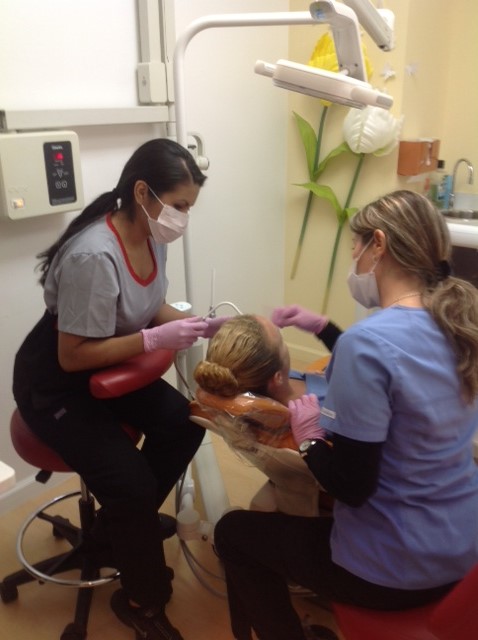
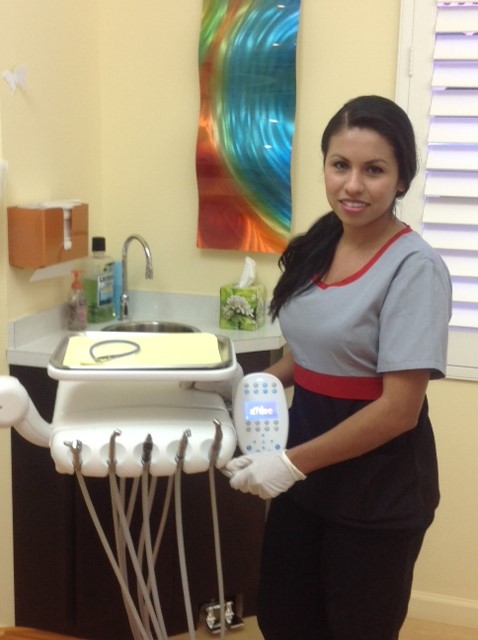
Dr' s Cardinale and Moody enjoy mentoring dental assistant students from Lorenzo Walker Institute of Technology several times a year. This program provides the students with job preparation and career advancement. Our newest intern, Noelia, has proven to be a quick learner and will be an asset to any office! We are always so proud to watch our Cardinale Dentistry students grow as our team provides guidance to enable the interns to achieve excellence.
May 27th, 2014

If you suffer from dental anxiety, a visit to Cardinale Dentistry might seem like a daunting prospect. Perhaps you had a bad experience in the past, but whatever the reason, please know that at our Naples, FL office, there is nothing to be afraid of. We understand you may be anxious about receiving dental treatments, and we’re here to help you have a comfortable, pain-free experience that will put your fears to rest.
You’re not alone!
A 1984 study that appeared in the Journal of the American Dental Association reported that up to 75% of all adults in the United States have some degree of dental anxiety. This includes five to ten percent whose dental anxiety is so severe that they try to avoid a dentist’s office at all costs.
Treatment
If you experience dental anxiety, it is important to let our office know in advance, so we can provide you with the dental care you need with an added touch of TLC. We can assist by explaining behavioral techniques for relaxation, by administering nitrous oxide (laughing gas), or by prescribing a relaxing medication prior to your dental procedure.

