Our Blog

Telltale Signs that Your Tooth has a Cavity

January 21st, 2014
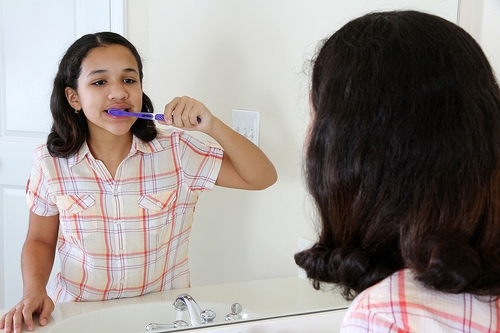
Dr. Vincent Cardinale and Dr. Chris Moody and our team at Cardinale Dentistry frequently get questions about cavity causes and prevention. You brush twice a day and floss regularly. You rinse with mouthwash, just like the dentist recommended. In fact, you can’t remember the last time you had a cavity, but you think it was when you were a little kid. In all seriousness, you thought only kids got cavities.

The Signs and Symptoms of a Cavity

It’s believed that roughly 90% of North Americans will get at least one cavity in their lifetime. Those other ten percent, it seems, can eat as much pie, cake, and sugary cereals and sweets as they want. That’s not really true; just a stab at dental humor, and it was as bad as the pain your cavity is probably giving you.

When a cavity is in its initial stages, you will often be symptom-free and experience no discomfort at all. It’s not until the tooth decay has reached a certain level that you will begin to notice the signs and symptoms. While a toothache and sensitivity to hot and cold foods and liquids are surefire signs that you have a cavity, there are lesser-known symptoms as well. If you’re experiencing any of these warning signs, you may want to consider making an appointment with our office as soon as possible:

  • Persistent bad breath or a bad taste in the mouth
  • When you bite down, there is a sticky, tarry feeling
  • Puss or discharge around a tooth
  • A visible discoloring, usually black or brown
  • Small pits or holes in the tooth

Routine dental care is important. While good oral hygiene, a healthy diet, and regular cleanings will deter the formation of cavities, they do not constitute a foolproof practice. A cavity can occur at any time, no matter what your age. Bacteria causes tooth decay, and no amount of brushing, flossing, and rinsing will eradicate all the bacteria from your mouth. If you think you may have a cavity, please contact our office immediately.

What’s the advantage to Invisalign®?

January 14th, 2014

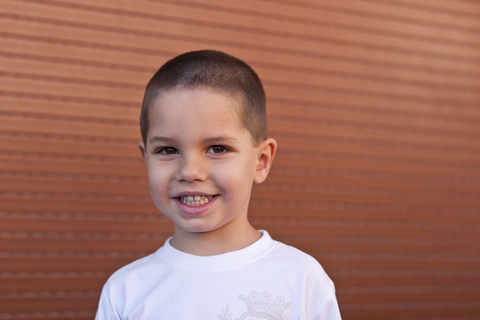
Invisalign, which we happily provide at Cardinale Dentistry, is a great alternative to traditional orthodontic treatment if you've been apprehensive about the thought of metal braces. During your initial visit, the first thing we do is take an impression of your teeth as they are now and digitize it. Using special software, we look at the current positioning of your teeth and compare it to the way your teeth should look.

Invisalign treatment, which consists of a series of aligners that you switch out approximately every couple of weeks, can help patients with crowded teeth, crossbites, overbites, underbites and more. Invisalign gradually shifts your teeth into place, creating the dazzling smile you’ve always wanted. During treatment with Dr. Vincent Cardinale and Dr. Chris Moody, patients wear the aligners all day and night, except for during meals and when they’re brushing and flossing; cleaning your teeth and eating are a snap since you can easily remove your aligners! And because they’re clear, no one will know that your teeth are steadily straightening!

To find out if you are the right candidate for Invisalign treatment, we invite you to give us a call at our convenient Naples, FL office and schedule a consultation.

How much calcium does my child need?

January 7th, 2014

When you were a kid, your parents may have told you to drink milk to build strong bones and grow tall and strong. Now that you have children of your own, you may hear yourself parroting those instructions you received years ago. Getting enough dairy is essential for young children whose teeth are growing. A child who consumes the recommended daily serving of dairy will develop healthy, strong teeth for the rest of his or her life.

So, which foods are the best in terms of acquiring the right amount of calcium? Milk and other dairy products are excellent sources of calcium. Milk also contains vitamin D, phosphorus, magnesium, and proteins. Magnesium promotes calcium deposits in your enamel, while phosphorus forms a small but important barrier against acidic foods that cause cavities. Vitamin D and protein are used by a child’s body to build bone tissue and maintain dental health.

According to a recent study, the majority of Americans, including children, do not receive enough calcium. In fact, according to the Academy of General Dentistry, only one in five children meets even the minimum standards for calcium consumption. The U.S. Department of Agriculture recommends that children under the age of eight should receive two and a half cups of dairy per day. Children older than eight need three full cups, the same as adult men and women. In addition to milk, eating yogurt is a great way your child can increase his or her dairy consumption. Drinking sugary beverages in place of milk causes cavities and tooth decay.

If your child does not get enough dairy consumption, they run the risk of improper tooth development and other dental health problems. Dr. Vincent Cardinale and Dr. Chris Moody and our team at Cardinale Dentistry encourage you to monitor your child’s dairy consumption to ensure he or she grows healthy teeth to last a lifetime.

Questions? Give us a call at our Naples, FL office!

New Year's Day Around the World

December 31st, 2013

New Year’s Day marks the beginning of the calendar year in most parts of the world. The holiday is celebrated on January 1st of each year. Customs and celebrations vary by country, religion, and even individual desires. Whether celebrated quietly or with gusto, the day brings the start of new opportunities for those that observe it.

United States and Canada

In both the US and Canada, celebrations begin on New Year’s Eve. At midnight on January 1st the New Year is welcomed with bells, horns, whistles, and other noisemakers. Fireworks are often part of the celebrations. In New York City, Times Square comes alive with revelers. In Toronto, there are large celebrations which may feature concerts, late-night partying, sporting events, and fireworks, with free public transit service during peak party times. Many individuals in North America greet the year by making resolutions for improvements in their lives.

China

In China, many people celebrate two forms of a new year. They may observe January 1st, but the traditional Chinese New Year is based on a lunar calendar. Parades with paper lanterns and dragons made from silk are a significant part of the festivities. Legends say that the dragon spends most of its time in hibernation so fireworks are used to keep the dragon awake.

Jewish Celebration

Jewish New Year’s observances begin with Rosh Hashanah, the first day of the New Year, and end with Yom Kippur, the Day of Atonement. This ten-day celebration is held in September or October, based on the Hebrew calendar. The New Year is not marked as much with loud celebrations as with personal insight to mend wrongs and resolve to better oneself.

Other countries and cultures also have different dates for New Year’s Day observances:

  • Vietnam observes the New Year in February
  • In Iran, the day is celebrated on March 21st
  • Islamic cultures often observe the tenth day of the month of Muharram
  • Russian Orthodox observers use the Julian calendar and celebrate on January 14th
  • Buddhist celebrations are held from April 13th through 15th

If you observe New Year’s Day by making healthy resolutions, include dental care in your plans with Dr. Vincent Cardinale and Dr. Chris Moody. The health of your teeth and gums contributes to your overall health. Caring for your mouth now can prevent many dental problems later in life. Cardinale Dentistry wishes you a healthy, prosperous, and happy New Year!