Our Blog

The Link Between Dental Hygiene and Your Overall Health

October 14th, 2014

When patients of Cardinale Dentistry hear any mention of oral or dental hygiene, they probably think of brushing and flossing their teeth. Although these are extremely important, the term dental hygiene encompasses much more than that. Your mouth’s health, including your teeth, has an important impact on your overall physical health. The National Institute of Dental and Craniofacial Research published the surgeon general's first ever report on dental health. It is called A National Call to Action to Promote Oral Health. In that report, the Surgeon General states that the 1948 World Health Organization expanded its earlier definition of health to "a complete state of physical, mental, and social well-being, and not just the absence of infirmity."

The Importance of Oral Health to Total Overall Health

One of the most important themes that the dental health report stressed is that you cannot be healthy without oral health. It went on to explain that oral health and general health are inextricably linked, and therefore can't be seen as two separate things. Because oral health is so critical to overall health, it should be included in all community health programs. For individuals, this means that it is just as important to take care of your mouth, your teeth, and your overall oral health as it is to take care of the rest of your body. The two most prevalent dental diseases are caries (cavities), also known as tooth decay, and periodontal (gum) disease.

Ways that Oral Health Impacts Overall Health

One important way in which good oral health contributes to better overall health is seen in the findings of several studies in which the blood sugar levels of diabetic patients were significantly lowered when their periodontal (or gum disease) was successfully treated. Your mouth has roughly 500 different species of bacteria. Many are harmless, and some are even good bacteria that help maintain the balance of your intestinal flora. Harmful bacteria can infect your gums, causing gingivitis. Your body's immune system may try to fight off the alien invaders, but they attack your gums, causing inflammation and bleeding when you brush.

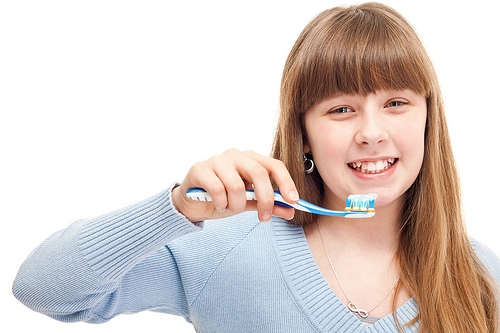
Now that you know how important good dental hygiene is, be sure to see to get your teeth cleaned every six months, have regular dental checkups, brush and floss your teeth at least twice daily, and replace your toothbrush at least every couple of months. Call us to schedule your next appointment at our convenient Naples, FL location.

Year-End Insurance Reminder

October 7th, 2014

Dr. Vincent Cardinale and Dr. Chris Moody, as well as our team at Cardinale Dentistry, would like to give those patients with flex spend, health savings, or insurance benefits a friendly end of the year reminder that it’s high time to schedule your dental visits so you optimize your benefit.

Now is the time to reserve your appointment with us. Space is limited and we tend to get busy around the holidays, so don’t wait to give us a call at our convenient Naples, FL office!

When do children usually lose their baby teeth?

September 30th, 2014

Many parents worry that their children’s teeth are not falling out on time. A lot of concerned parents want to know: When will my child lose his or her first baby tooth? At what age should the last tooth fall out? Is there a specific order in which the teeth are lost?

Dr. Vincent Cardinale and Dr. Chris Moody and our team explain that a child's 20 baby teeth (primary teeth) typically come in by age three and begin to loosen and fall out on their own to make room for permanent teeth, which usually appear by the time your child is six. It is important to know that timing may vary, and girls typically lose their baby teeth earlier than boys. The last baby teeth will likely fall out by the time your child is 13.

So, which teeth do children lose first? Baby teeth tend to fall out in the order in which they came, which means the lower center incisors are usually the first to go when your child is between six and seven years old. The next teeth your child will lose are his or her top center pair, also called the upper central incisors.

It’s important to note that if a child loses a baby tooth early as a result of decay or an unforeseen accident, his or her permanent tooth may erupt early and potentially come in crooked due to limited space. If your child suffers an injury or has tooth decay, we encourage you to give us a call to set up an appointment with Dr. Vincent Cardinale and Dr. Chris Moody.

While we know some children couldn’t be more excited to lose their baby teeth, we know others are anxious about this childhood milestone. When your child starts to lose teeth, our team at Cardinale Dentistry encourages you to stress the importance of proper dental care on a daily basis.

Remember to:

  • Remind your child to brush his or her teeth at least twice a day. Supervise and offer assistance as needed.
  • Help your child floss his or her teeth at bedtime.
  • Limit eating and drinking between meals and at bedtime, especially sugary treats and drinks, such as candy and soda.
  • Schedule regular dental visits for your child every six months.
  • Ask about the use of fluoride treatments and dental sealants to help prevent tooth decay.

To learn more about baby teeth, or to schedule your child's next visit with Dr. Vincent Cardinale and Dr. Chris Moody at our Naples, FL office, please give us a call today!

How to Handle an Unexpected Dental Emergency

September 23rd, 2014

Regardless of the type of dental emergency you experience, it is important that you visit Cardinale Dentistry for emergency dental care as soon as possible. A chipped or cracked tooth requires professional attention, as bacteria may gather in these areas, potentially causing infection that could require a root canal. Remember, you may be capable of managing pain, bleeding, and swelling at home, but by visiting our office for immediate treatment, you can fight infections and minimize lasting damage to your mouth, teeth, and gums under the expert care of our emergency dentist.

24/7 Emergency Dental Care

Cardinale Dentistry is proud to offer emergency dental care around the clock, seven days a week. Dental emergencies do not wait for regular business hours, and if you experience a serious dental emergency, you need immediate treatment. Whether you have a broken tooth or if you have bitten through your tongue, do not hesitate to visit us day or night. Until you arrive at our office, however, there are some helpful steps you can take if you encounter a serious dental dilemma.

Managing Your Dental Emergency

If a toothache is causing problems, you can probably keep the discomfort under control until our emergency doctor can treat you. Start by checking the gums that surround the affected tooth for inflammation, bleeding, or foreign objects. There may be food lodged in the gum that could be removed by flossing. You can control pain by placing a cold compress against your mouth, or by using an over-the-counter oral numbing agent.

More serious situations may be extremely time sensitive, and require immediate emergency attention. For example, if a tooth is completely knocked out, carefully clean it with water. Try to place the tooth back into its socket or briefly store it in a cup of milk if it will not fit back into the gum. Never pick up a tooth by the root or force it into the socket. Come straight to our office, as your tooth will need to be replaced within a short amount of time. Similarly, if you have bitten through your lip or tongue, the American Dental Association recommends carefully cleaning the area before coming as quickly as you can to our emergency dental office for treatment.

Remember, there is no reason you should live with discomfort. By visiting our Naples, FL office immediately in an emergency, you can take control of your oral health comfortably and safely.